Rob Jepson Mediation is now Oak Haven Mediation! Please visit www.oakhavenmediation.com

Sometimes conflicts go deeper than the surface level. In cases where the parties have a long and complicated history, have profound misunderstandings, or trust is very low, it can be difficult to reach an agreement through traditional negotiation.
Transformative mediation looks at the conflict more deeply and provides parties with tools to resolve their own conflicts.
In transformative mediation, you have the opportunity to talk about the history of your conflict, the frustrations, the pain points, and the areas were you get stuck. Transfomative mediation isn't necessarily focused on "getting a deal done." It's focused on understanding and changing conflict patterns.
Transformative mediation gives you tools for understanding your conflict patterns. It will help you see when you've been a part of perpetuating the conflict, how you can change your own behaviors, and how changing those behaviors can lead to a more peaceful and lasting paradigm with the person you're in conflict with.
This process focuses on ownership, accountability, releasing the need to justify all of our behaviors, and recognizing the human value of both one's self and the other parties.
Transformative mediation is not done in a single session. Instead, the mediator will work with the parties one-on-one to prepare them for a joint session. Once the parties are ready, they will meet face-to-face to discuss the roots of the conflict they're in, take ownership for their own part in the conflict, and begin to work toward a new paradigm for how they will work together.
Transformative mediation can be done prior to litigation, during the litigation process, or at the end of a litigation process if one or both parties are unhappy with the outcome of litigation.
Though transformative mediation is not focused on legal standards or Court outcomes, parties are permitted to consult with their attorneys at any stage of the process. Attorneys are not typically present during transformative mediation sessions, but they may advise their clients between sessions or before any agreement is finalized.
Transformative mediation can be applied to all types of conflicts, including family issues, workplace conflict, business disputes, or interpersonal conflict.
If you're interested in engaging with transformative mediation work, please email rob@robjepsonmediation.com, or schedule a free consultation using the calendar tool below.

Monday 9:00 a.m.–5:00 p.m.
Tuesday 9:00 a.m.–5:00 p.m.
Wednesday 9:00 a.m.–5:00 p.m.
Thursday 9:00 a.m.–5:00 p.m.
Friday 9:00 a.m.–5:00 p.m.
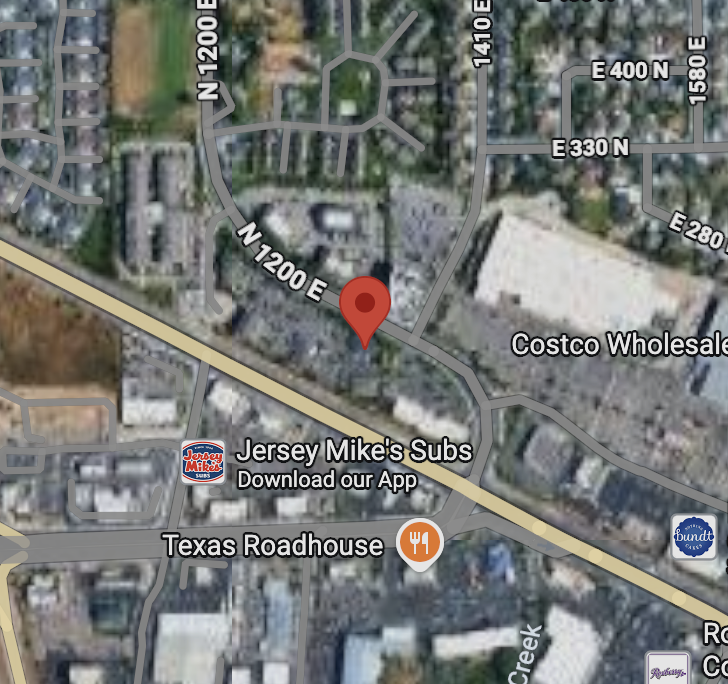
179 North 1200 East #101
Lehi, Utah 84043
Mediations can be held in person or via Zoom
801-995-3336
scheduling@oakhavenmediation.com